 |
|
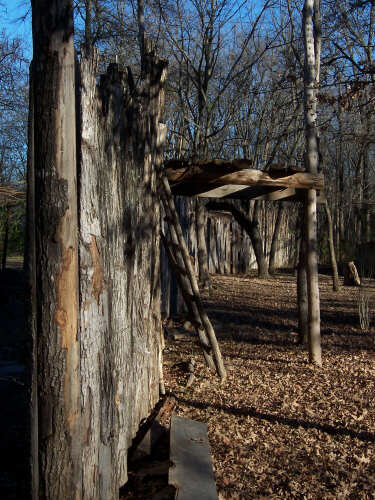
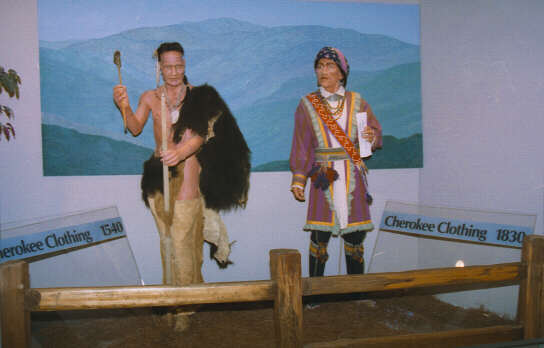
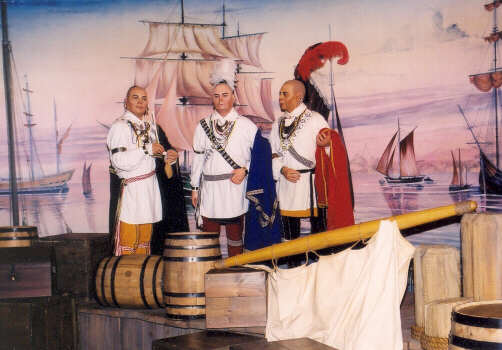
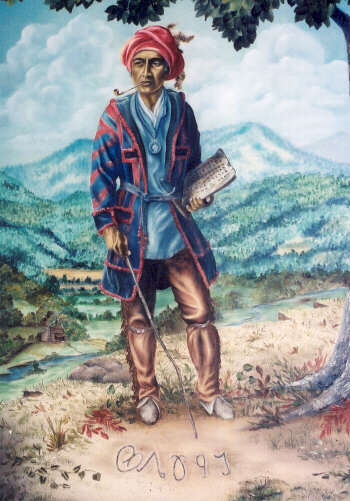
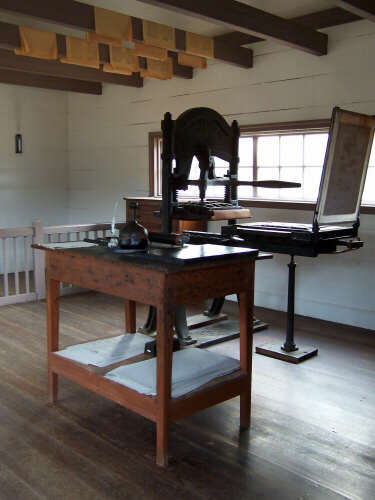
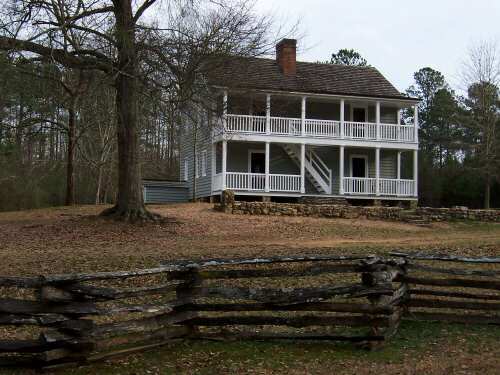
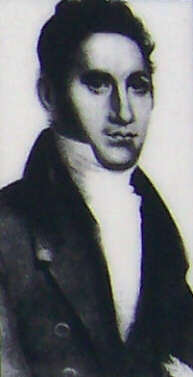
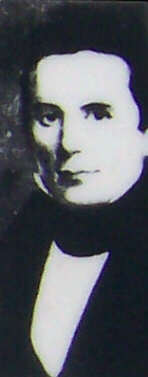
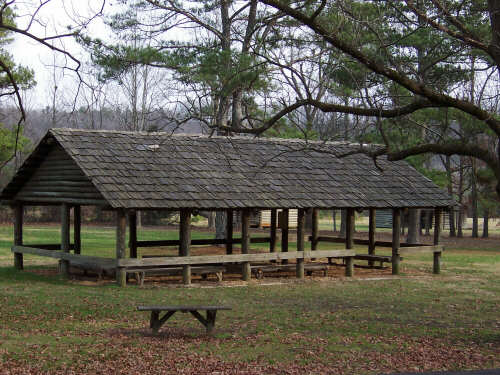
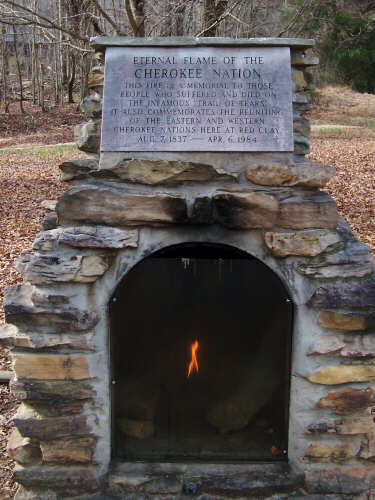
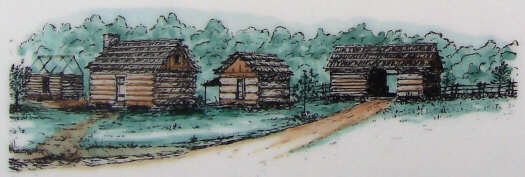
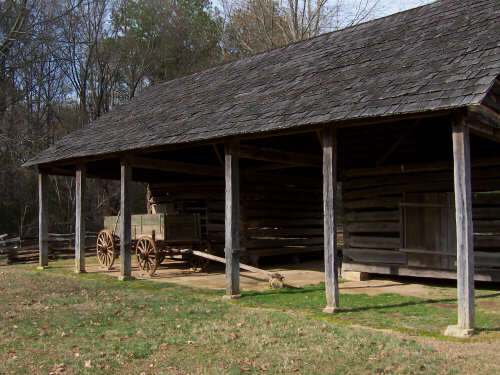
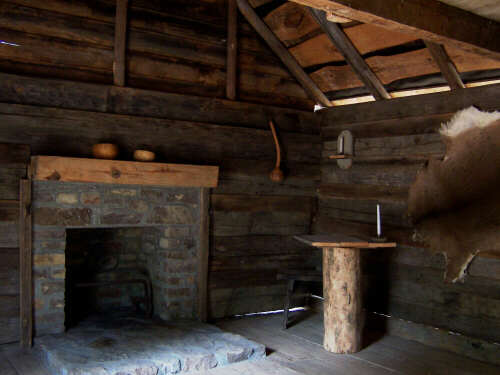
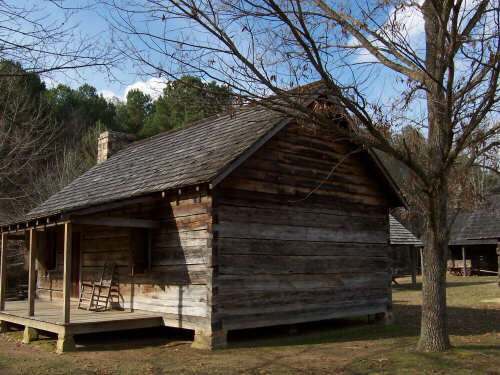
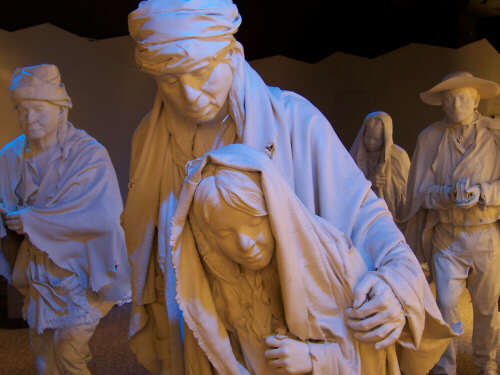
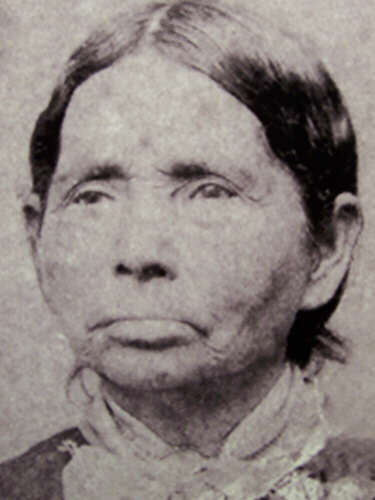
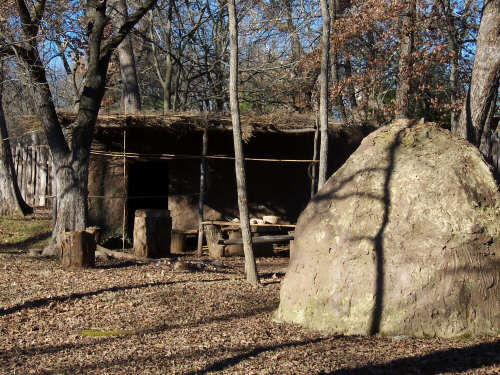
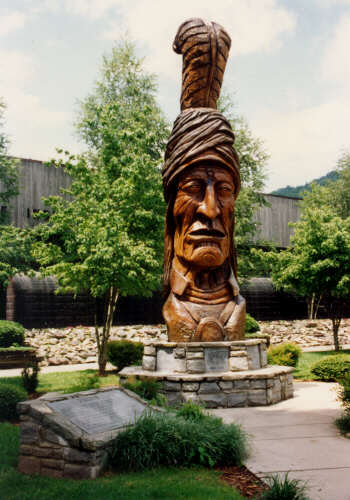
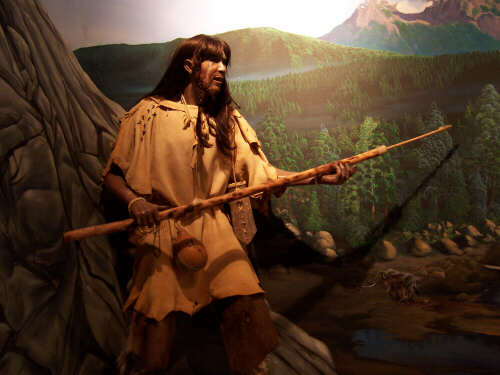
Photo number D044 F000 taken at Funk Heritage Center in Waleska, Georgia |
| CHEROKEE HISTORY TIMELINE |
|
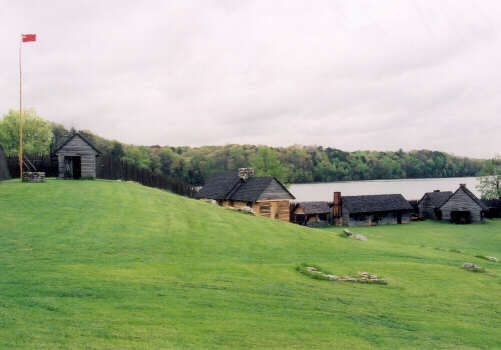
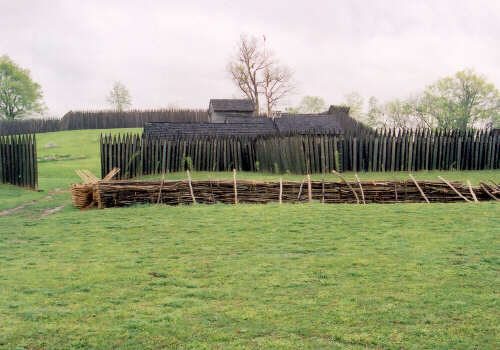
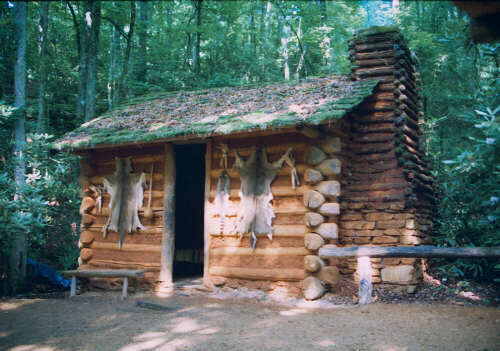
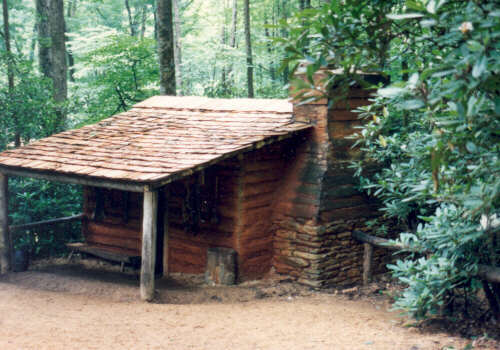
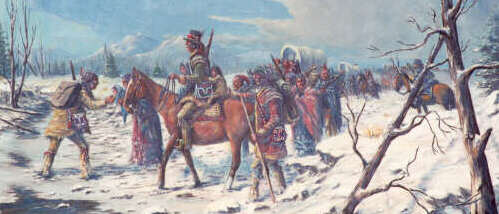
There are many places on the Internet to read about Cherokee history. I have used some of them as sources for this timeline. But, it is also composed of information I have viewed at Cherokee historical sites from Cherokee, North Carolina to New Echota, Georgia to Tahlequah, Oklahoma. I have also interspersed the text with photos I have taken at these various places. Like most histories, not all sources agree on every detail and I have endeavored to reflect that in notes, or through the way in which I have worded a description. I have tried to accurately and truthfully depict the last few hundred years of our history, as is a part of my mission statement. However, this is not intended to be a scholarly work. It comes to you through the eyes and heart of an artist, who has heard the whispers of ancestors he did not know, and has not verified. This has always been a response to the call of my Creator, taken on faith as a journey with purpose, and a connection within Spirit, beyond the realm of government IDs. |
|
|
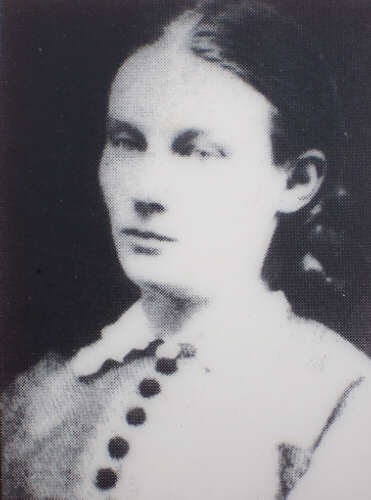
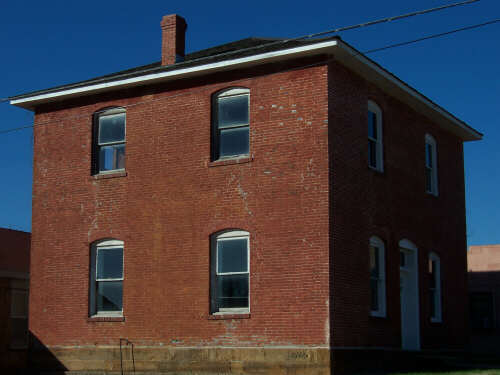
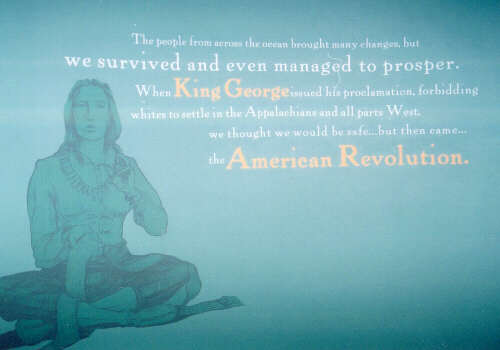
Photo number D044 F000 taken at Funk Heritage Center in Waleska, Georgia |
| 10,000
- 8000 B.C. |
Paleo-Indian Period: Nomadic tribes present in North Carolina. |
| 8000
- 1000 B.C. |
Archaic Period: Trade networks formed, pottery made, etc. |
| 1000
- 900 A.D. |
Woodland Period: Agriculture, permanent log homes, ceremonial/effigy mounds. |
| 900
- 1600 A.D. |
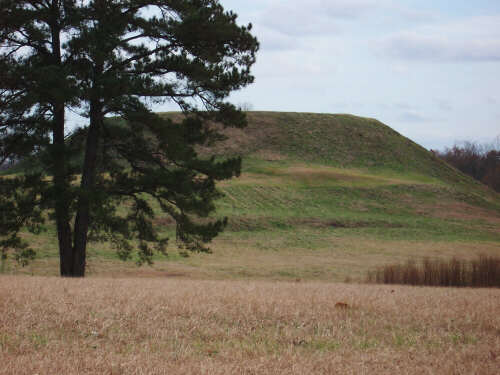
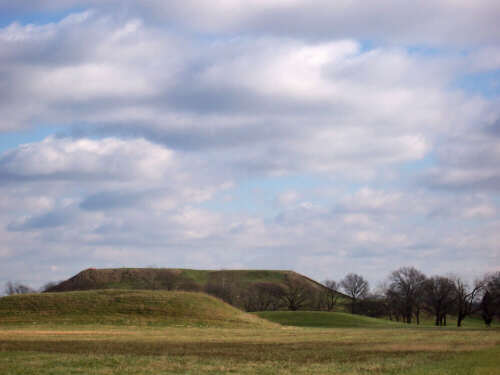
Mississippian Period: Flat topped pyramidal mounds such as at Etowah. |
|
|||||||
| 1000
- 1500 A.D. |
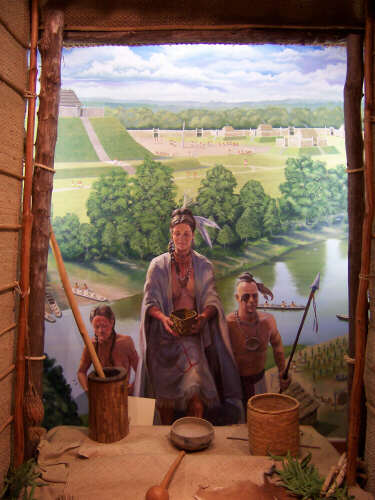
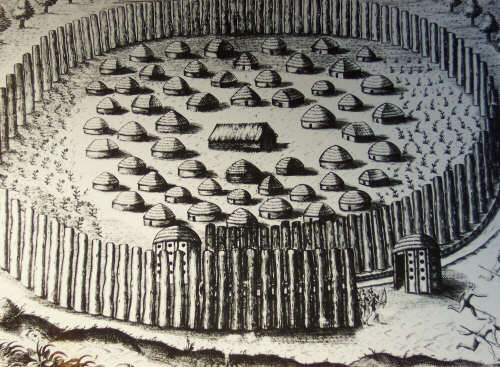
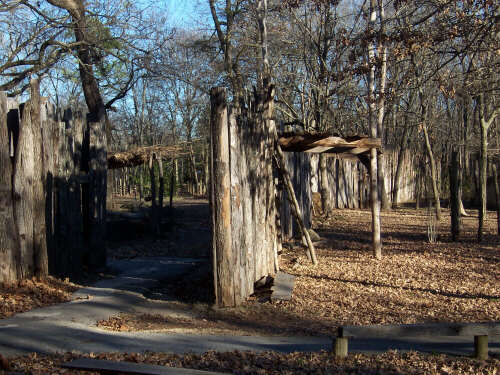
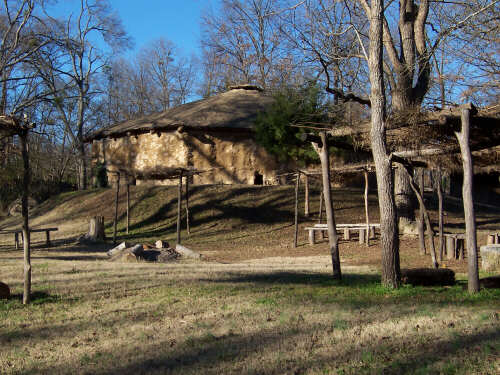
Pisgah phase — villages range in size from about one acre to more than five acres and typically include houses situated around an open plaza and encircled by a palisade (stockade). The Pisgah folk grow maize, beans, squash, and gourds but their diet is not limited to these domesticated crops. Wild plant foods including nuts, fruits, seeds, and greens, as well as animals, are important components of the Pisgah diet. The material culture utilizes clay, stone, bone, shell, and wood. |
|
|||||||
| 1500
- 1850 A.D. |
Qualla Phase — Qualla is identified with the historic period Cherokee Indians. Because of similarities of artifact styles, house and village structure and burial patterns, it is quite clear that the Pisgah folk are direct ancestors of the Cherokee people. However, it is also likely that other peoples (from east Tennessee and north Georgia) also contributed to the historic period Cherokee culture. (Some sources: Cherokees are a branch of the Iroquois nation.) |
|
|||||||||||||
| 1450 |
Tugaloo Old Town is the first major Cherokee village. |
||||||||||||
| 1540 |
DeSoto of Spain, enters Cherokee country, supposedly one of the first whites (or the first) seen by the tribe. However, written descriptions of the tribe by the Spanish note a wide range of colors in the tribe, from "negro" (black) to light skinned and "fair," according to Moyano and Pardo (1567). |
||||||||||||
| 1629 - 73 |
Trading between the Cherokees and the English settlements begins. |
||||||||||||
| 1684 |
First treaty is made with the Cherokees. |
||||||||||||
| 1690 |
"Seraqui" captives are sent to the West Indies. Numerous records describe the activities of travelers and traders among the Cherokee. |
||||||||||||
| 1697 |
First smallpox epidemic among the Cherokees. |
||||||||||||
| early 1700s |
British (South Carolina) government defines five Cherokee groups. The Cherokee live along the Tellico and Little Tennessee rivers, in what is called the Overhill Towns (east Tennessee). The Lower Towns (north Georgia) are found on the Tugalo, Keowee and upper Savannah rivers. Three divisions are present in [North Carolina], including the Middle Towns, located on the headwaters of the Little Tennessee River; the Valley Towns, on the Hiawassee and Valley rivers; and the Out Towns on the Tuskaseegee and Occonoluftee rivers. The Cherokees are more favorably disposed towards the French, who are less interested in land than trade; however, they often find themselves allied with the English against their traditional enemies such as the Tuscarora and Creek Indians. |
||||||||||||
| 1711 |
Tuscarora War |
||||||||||||
| 1715 |
Yamasee War. Massive uprising against North and South Carolina. |
||||||||||||
| 1721 |
The Cherokee or Charleston Treaty with the Governor of the Carolinas (South Carolina) involving first land cession. It is the first of ten treaties with Great Britain. |
||||||||||||
| 1725 |
Cherokees recognize their arrangement with European trade. |
||||||||||||
| 1730 |
Sir Alexander Cuming embarks on a mission to secure Cherokee allegiance to the British. He meets with several Cherokee chiefs at the town of Nequassee where he convinces them to submit to English rule. This first official treaty also establishes Chief Moytoy of Tellico (Overhill) as emperor and leader of the Cherokee Nation. Cuming takes a Cherokee delegation to England. |
||||||||||||
| 1738 |
Smallpox epidemic kills 25-50% of the Cherokee population. Nancy Ward is born. |
||||||||||||
| 1738 - 43 |
First missionary, Christian Priber, comes to the Cherokees "to establish Utopia." |
||||||||||||
| 1739 |
First porcelain made in English-speaking world with Cherokee clay. |
||||||||||||
| 1753 |
Fort Prince George established. Rebuilt in 1756. Some sources: Smallpox epidemic. |
||||||||||||
| 1755 |
Second land cessions (#2 on Royce map). Battle of Talíwa, the decisive battle between the Creeks and the Cherokees who had been fighting for 30 years. The outnumbered Cherokees are at first overmatched and driven back, however, after her husband, Kingfisher, is killed, 16 year old Nancy Ward takes up his guns, and chanting a Cherokee war song, fights with such courage that the Cherokees rally. The victory is so complete and decisive that the Creeks abandon the whole upper portion of Georgia. |
||||||||||||
|
|||||||||||||
| 1756 |
Fort Loudoun established in Overhill Towns. (Other spellings: Fort Loudon, Fort Louden) |
||||||||||||
| 1759 - 60 |
Smallpox epidemic. |
||||||||||||
| 1760 - 61 |
Cherokee War (first time Cherokee Middle Settlements are invaded). |
||||||||||||
| 1761 & 65 | Timberlake takes Cherokees to London. | ||||||||||||
|
|||||||||||||
| 1767 |
Thomas Griffith expedition for Wedgewood to acquire Cherokee clay. |
||||||||||||
| 1768 |
Land cession (# 3) |
||||||||||||
| 1769 |
A large English force under Colonel Archibald Montgomery marches on and destroys all 15 of the Middle Towns. |
||||||||||||
| 1770 |
Land cession (# 4) |
||||||||||||
| 1771 |
Sequoyah is born. Major Ridge is born. |
||||||||||||
| 1772 |
Land cession (# 5) |
||||||||||||
| 1773 |
Land cession (# 6) First cession in Georgia. Treaties have taken most of the traditional Cherokee lands. |
||||||||||||
| 1775 |
Henderson land cession (# 7 Kentucky and part of Tennessee). |
||||||||||||
| 1776 - 83 |
Impressed by the British during the French and Indian war, the Cherokee side with them during the American Revolution. In 1776 General Griffith Rutherford leads a North Carolina militia against Middle, Valley, and Out Towns while South Carolina forces attack Lower Towns. Finally, a Virginia force destroys the Overhill Towns. The Cherokee attack settlers in retaliation, but are driven into the Smokies; their homes, crops, livestock, and towns destroyed by the Revolutionary War army, they are forced into more land cessions. |
||||||||||||
| 1777 |
Two land cessions (# 8, # 9) |
||||||||||||
| 1780 | Smallpox epidemic. | ||||||||||||
| 1783 | Land cession (# 10) | ||||||||||||
|
|||||||||||||
| 1784 |
State of Franklin formed by white settlers. |
||||||||||||
| 1785 |
Treaty of Hopewell, is the first treaty between the United States government and the Cherokees. (includes land cession # 10a and # 10b). Cherokee think this will be the end of the settlers’ invasion of Cherokee land. Within three years bitter fighting will erupt as settlers continued to move into the Cherokee Nation. |
||||||||||||
| 1788 |
Cherokee Council meets at Oostanauleh. This location, about four miles east of New Echota (see 1825) will serve as a meeting place for councils until around 1816. |
||||||||||||
| 1790 | October 3, John Ross is born. | ||||||||||||
| 1791 |
Treaty of Holston (includes land cession # 11 and civilization clause and annuities). Cherokee cede land in eastern Tennessee in exchange for President Washington’s guarantee that the Cherokee Nation will never again be invaded by settlers. The treaty forces Americans to obtain passports to enter Cherokee lands, and grants Cherokee the right to evict settlers. It also includes a call for the U.S. to advance the civilization of the Cherokees by giving them farm tools and technical advice. It further provides that the Cherokee nation send a delegate to congress. |
||||||||||||
| 1792 |
The town of Hightower moves from the vicinity of Rome, Georgia to present-day Cartersville, farther east on the Etowah River after a brutal attack by whites. |
||||||||||||
| 1794 |
American Revolution ends for Chickamauga Cherokees (Lower Towns). |
||||||||||||
| 1798 |
Treaty of Tellico Blockhouse (cession # 12, # 13, # 14; guarantee of land forever). |
||||||||||||
| 1799 |
Arrival of Moravian missionaries. Formation of the Lighthorse, a loose knit Cherokee police force headed by The Ridge and James Vann. Some sources indicate that Keetoowah/Cherokee families already begin migrating to a new home in what is today Arkansas by the late 1790's. |
||||||||||||
| 1799 - 04 |
Building of the Augusta to Nashville Road, later known as the Federal Road. |
||||||||||||
| early 1800s |
By the end of, and throughout, the early 19th Century most Cherokees have adopted at least some white ways. They establish businesses, farms, Christian churches, and a government similar to that of the United States. At the same time they are succeeding in maintaining their culture, preserving many traditional ways. Newly drafted laws uphold such tribal (national) traditions as land held in common and matrilineal power, even with the introduction of patrilineal heritage concepts. The Cherokee farmer using a plow works to produce the same crops his ancestors tended with digging sticks. The earlier Cherokee grew corn to insure a winter food supply. Now they grow that same produce, for example, not only for food but to fatten pigs to sell on a competitive market. Things are looking promising, but are about to turn dark. |
||||||||||||
| 1801 |
Return J. Meigs appointed "Indian agent." Moravians start mission at Spring Place. |
||||||||||||
|
|||||||||||||
| 1802 |
Georgia Compact (regarding future Indian land cessions). President Thomas Jefferson signs and agrees with the state of Georgia to removal of all American Indians in exchange for the state’s claim of western lands. |
||||||||||||
| 1803 |
Louisiana Purchase by the United States. |
||||||||||||
| 1804 |
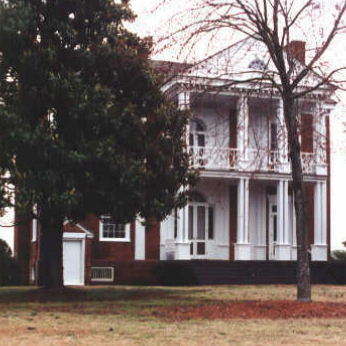
Cherokee cede Wafford’s Tract. Land cession # 15. Cherokee James Vann builds a showplace home on his property in the Cherokee Nation (today in Georgia). |
||||||||||||
|
|||||||||||||
| 1805 |
Land cessions # 16, # 17, and # 18. The Cherokee Nation's population has dwindled to less than 12,000 and it has now lost more than half its land. |
||||||||||||
| 1806 |
Start of a complex series of events known as Revolt of the Young Chiefs. |
||||||||||||
| 1808 |
First written laws. Formalized patrilineal inheritance. A delegation of Cherokees from the upper and lower towns of the Cherokee nation go to Washington D.C. to inform the President of the United States that not all Cherokee people wanted to pursue what is deemed a 'civilized' life. The delegation requests the President divide the upper towns, whose people wanted to establish a regular government, from the lower towns who wanted to continue living traditionally. |
||||||||||||
| 1808 - 10 |
First major Cherokee migration west of the Mississippi. |
||||||||||||
| 1809 |
Death of Doublehead at the hands of Ridge, James Vann, and Alexander Saunders. Cherokee agent Colonel Return J. Meigs Sr. takes a census counting 583 "Negro slaves" currently held by Cherokee slave owners. [Slavery was a component of Cherokee society even prior to European contact. By oral tradition, the Cherokee viewed slavery as the result of an individual's failure in warfare and as a temporary status, pending release or the slave's adoption into the tribe. Post contact, the British purchased or impressed Cherokees as slaves during the Indian Slave Trade. Some sources have said that one faired better as a slave in the Cherokee Nation than in white America, but others indicate the nature of enslavement in Cherokee society tended to mirror that of the European-American slave society.] January 9, the President of the United States allows the lower towns to send an exploring party to find suitable lands on the Arkansas and White Rivers. Seven of the most trusted men explore locations both in what is now Western Arkansas and also Northeastern Oklahoma. The people of the lower towns desire to remove across the Mississippi to this area, onto vacant lands within the United States so that they might continue the traditional Cherokee life. |
||||||||||||
| 1810 |
Cherokees forbid blood vengeance in accidental deaths. Death of James Vann. |
||||||||||||
| 1811 |
New Madrid earthquake. Actually 3 separate earthquakes with an epicenter near the town of New Madrid, Missouri in the southeastern border with Kentucky. The quakes are felt throughout the Cherokee Nation and spark what is best described as a religious revival among the Cherokee. Writer James Mooney would call this movement the "Ghost Dance," after a similar western Indian revival. |
||||||||||||
| 1812 |
Shawnee warrior Tecumseh agitates American Indians on the frontier to rise up and destroy the settlers. A faction of the Creek Indians, the "Red Sticks," revolt, attacking Fort Mims, Alabama and massacre 250 men, women, and children. |
||||||||||||
| 1812 - 14 |
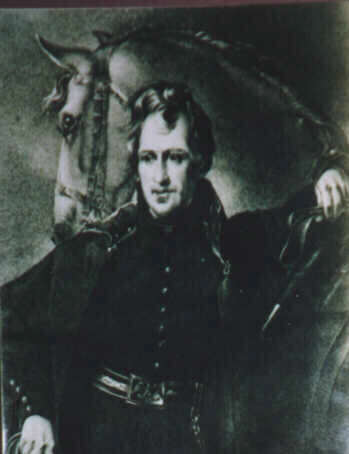
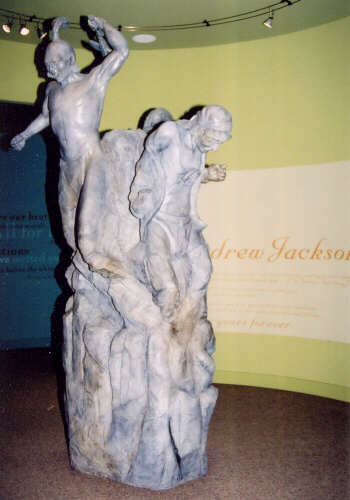
Creek war. Cherokee warriors fight alongside future president Andrew Jackson during two campaigns (5 major battles) against the Red Sticks, saving both his army and his life in separate battles. |
||||||||||||
| 1814 |
Cherokees are instrumental in assisting General Andrew Jackson in defeating the Creeks at Horseshoe Bend. Jackson admits that the Cherokee were responsible for his victory. Sequoyah is among the Cherokees at the battle. Jackson demands cessions of 2.2 million acres from the Cherokee. |
||||||||||||
| 1815 | Sequoyah marries Sally Waters of the Bird Clan. | ||||||||||||
| 1816 | Land cessions # 21 and # 22. | ||||||||||||
| 1817 |
Cession of land east of the Unicoi Turnpike. (Treaty of Turkey Town, instead of the 2.2 million acres demanded by Jackson.) Land cessions # 23, # 24, # 25, and # 26. The United States cedes lands (in Arkansas today) to the Kituwah people (also known as Old Settlers, or Western Cherokee) in exchange for a portion of the Cherokee lands they occupy and are entitled to in the East. As many as 4,000 (Kituwah) Cherokee "Old Settlers" begin voluntary migration and establish a government in Arkansas (in 1828, they will be forced to move into Indian Territory). A 12-year old boy named William Holland Thomas moves to the Oconaluftee River region where he meets a Cherokee Chief named Yonaguska (Drowning Bear), who later adopts him. Some Cherokees, lead by Yonaguska apply for and receive reservations on recently ceded land (also apply for U.S. citizenship) and form the future basis of the Eastern Band of Cherokees. |
||||||||||||
| 1818 |
Tahlonteskee, Chief of the Western Cherokee, requests the American Board of Commissioners for Foreign Missions establish a mission in the west. |
||||||||||||
|
|||||||||||||
| 1819 |
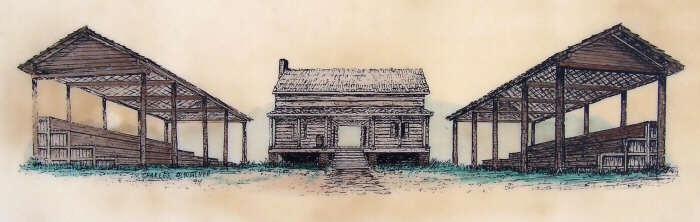
Final cession of land in Georgia, and part of a much larger cession, the Cherokee give up claims to all land east of the Chattahoochee River. Land cessions # 27, # 28, # 29, # 30, # 31, # 32, # 33, # 34, and # 35. A new council house, consisting of two open shelters facing each other with a log house at one end, is constructed at New Town and the seat of the Cherokee government moves there. Major Ridge leads the procession of Cherokee officials into the Council House for the first session. |
||||||||||||
| 1820 |
In the spring, Dwight Mission is established near present day Russellville, Arkansas as requested by the Western Cherokee in 1818. |
||||||||||||
|
|||||||||||||
| 1821 |
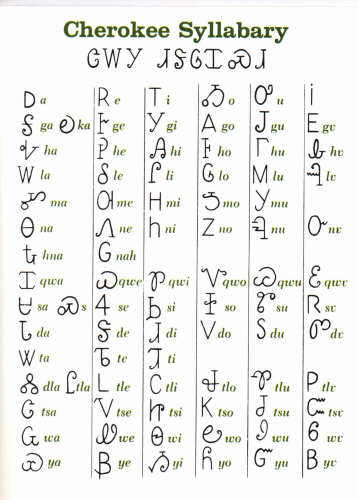
After 12 years of working on isolating each syllable in the Cherokee language, Sequoyah finishes and introduces a written syllabary (similar to an alphabet) of 86 characters. Although initially questioned as witchcraft, it is ultimately approved by the Cherokee chiefs (adopted by the council). Within six months more than 25% of the Cherokee Nation learns how to read and write in their own language. Within 10 years 90% can read and write the syllabary, leading to almost total literacy among the Cherokees. |
||||||||||||
|
|||||||||||||
| 1822 |
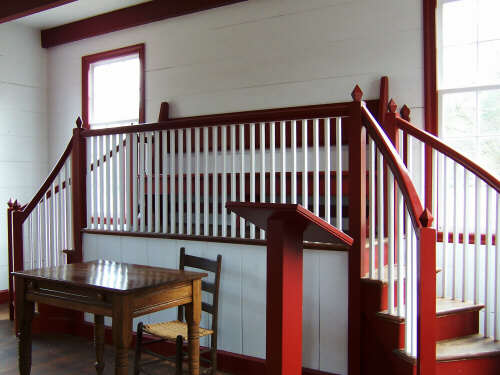
Cherokees establish a Supreme Court at New Echota. The Council authorizes the construction of a new council house to replace the one built in 1819. Georgia begins press for cession of remaining Cherokee lands, citing Jefferson’s 1802 commitment to the state. Western Cherokee, Keetoowahs, readily accept Sequoyah's Cherokee syllabary. The current chief, Takatoka, is opposed to mission schools and greatly influences the acceptance of a way to write the Kituwah people's own language. ("Keetoowah" and "Kituwah" are used interchangeably by the United Keetoowah Band in their history and information documents. Until the "Trail of Tears" they are also referred to as the Western Cherokee.) |
||||||||||||
| 1824 |
First written law of Western Cherokees. There is an estimated 1,277 owned black slaves in the Cherokee Nation (east). On October 20, Tarsekayahke, also known by the name "Shoe Boots," a full-blood Cherokee slave owner, farmer, and veteran war hero who fought for the Cherokee in the Battle of Horseshoe Bend during the Creek War, petitions the Cherokee National Council to grant emancipation for his three children (fathered with a slave named Doll that he acquired in the late 1700s) and have them recognized as free Cherokee citizens. (The children having been born to a slave, inherited Doll’s slave status.) November 6, his request is granted by the Cherokee National Council. He is, however, ordered by the council to cease fathering children with Doll. (Ignoring the order, he will father two twin sons before his death in 1829. His children will be forced back into slavery with his twin sons, inherited as property by his sisters, who will unsuccessfully attempt to petition the council to grant emancipation and citizenship for the twins). |
||||||||||||
| 1825 |
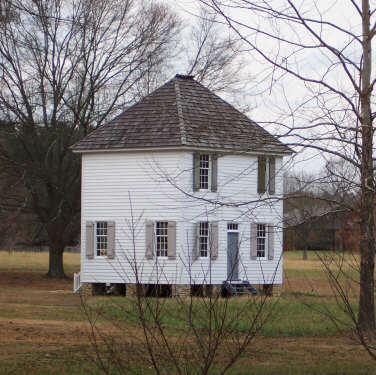
November 12th, the council adopts a resolution selecting New Town as the permanent capital of the Cherokee Nation, and changes its name to New Echota (today in Georgia) in memory of the old, beloved town of Chota (today in Tennessee). |
||||||||||||
| 1826 |
In February, Cherokee surveyors divide their new capital into a series of streets and 100 one acre lots. A national press and newspaper, the Cherokee Phoenix, is approved by the National Committee and Council. |
||||||||||||
| 1827 |
At a convention, led by elected Chief John Ross (Guwisguwi), the Cherokees write and adopt a national constitution claiming sovereignty over their land. The modern Cherokee Nation begins. The Reverend Samuel A. Worcester, a missionary, arrives in New Echota. The Cherokee government constructs a Printing Office at New Echota. |
||||||||||||
|
|||||||||||||
| 1828 |
First edition (February 21st, some sources: February 8th) of the Cherokee Phoenix, the first Native American newspaper, is printed in both Cherokee and English. Elias Boudinot is editor. Andrew Jackson elected president of the United States. Gold is discovered in Georgia (Duke’s Creek ceded in 1817). However, it is soon found within the boundaries of the Cherokee Nation as well. "Old Settlers" are forced to move from Arkansas into Indian Territory (today Oklahoma). Dissatisfied with their lands on the Arkansas and White Rivers, partly due to encroachment by white settlers, the Kituwah people enter into a treaty with the United States to move onto lands further west. This treaty grants the "Western Cherokee" seven million acres of land running along the Arkansas, Canadian and Grand Rivers. They are also given a perpetual outlet west, as far as the sovereignty of the United States extends. ("Old Settlers" move to Indian Territory in Oklahoma ten years prior to the forced removal of the Cherokee Nation.) Keetoowahs adopt a written constitution. |
||||||||||||
| 1828 - 30 |
Georgia Legislature abolishes ("outlaws") the Cherokee tribal government and expands their authority over the Cherokee nation located within their claimed boundaries. |
||||||||||||
| 1829 |
Jackson announces Indian removal policy. Georgia extends its laws over Cherokee Nation. Sequoyah and 2500 other Cherokees are moved to the Indian Territory in what is now Oklahoma by the United States government. The land is in exchange for the land they had been occupying in what was later to become Arkansas. The Osage Nation, however, still occupies the new land. Sequoyah settles near present-day Sallisaw, Oklahoma, where he builds a log cabin (which is still standing and open to the public). |
||||||||||||
| 1830 |
Indian Removal Act passes U.S. Congress. Cherokee evict encroachers in Beaver Dam on Cedar Creek, a few miles south of present-day Rome, Georgia. Georgia laws require residents to swear allegiance to Georgia. Missionaries are arrested and imprisoned. New Echota now has about 50 residents, but during council meetings several hundred Cherokees fill the town. |
||||||||||||
|
|||||||||||||
| 1831 |
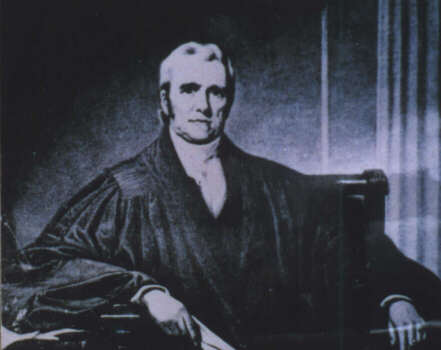
Cherokee Nation vs. State of Georgia court case. Attempting to stop the State of Georgia’s arrest and trial of a Cherokee named George Tassel for murdering another Cherokee man, William Wirt is hired to take the fight to the U.S. Supreme Court. Georgia refuses to wait for the case to run its course and convicts and executes Tassel. The Supreme Court eventually decides because the Cherokee Nation is a "domestic dependent nation," and not a foreign nation as outlined in the U.S. Constitution, it cannot present the case to the court. However, it leaves the door open when Chief Justice John Marshall instructs attorney William Wirt how to correctly file for someone else to present the case. Samuel Worcester, and others, arrested for violation of Georgia law requiring whites to get permits to work in the Cherokee territory. The Cherokee Council meets in [what is today] Alabama. |
||||||||||||
| 1832 |
In the Worcester vs. Georgia court case, the U.S. Supreme Court upholds Cherokee sovereignty supposedly protecting Cherokees from Georgia laws. President Jackson ignores the court ruling quipping let the Chief Justice enforce it. Georgia begins land lottery and gold lottery, and the Cherokee land (including homes) is divided and deeds are distributed to Georgia citizens who registered for the lottery. Elias Boudinot resigns as publisher of the Cherokee Phoenix under pressure from John Ross because of his editorial support for voluntary removal to the west. The Cherokee Council begins meeting at Red Clay (where they will continue to meet until just prior to the removal in 1838 - Red Clay is in Tennessee today). |
||||||||||||
|
|||||||||||||
| 1833 |
Old Settler, or Western Cherokee Keetoowahs, meet with the Muscogee Creek Nation at Cantonment Gibson to settle boundary disputes and precisely establish the boundaries of the new territory. Creeks who had been removed from the east in 1826-27 found themselves living within the newly established Cherokee lands and were required to move again. (The treaty fixed the boundaries for what would become known as the Cherokee Nation of Indian Territory after the Trail of Tears in 1839.) |
||||||||||||
| 1834 |
Georgia (the Georgia Guard) confiscates the Cherokee Phoenix press, destroying it, declaring the newspaper to be subversive. The last issue is printed May 31st. Rev. Samuel Worcester and his family are forced from their house when it is confiscated by a Georgian who obtained title to it in the 1832 Land lottery. Worcester moves west to continue serving the Cherokee. |
||||||||||||
|
|||||||||||||
| 1835 |
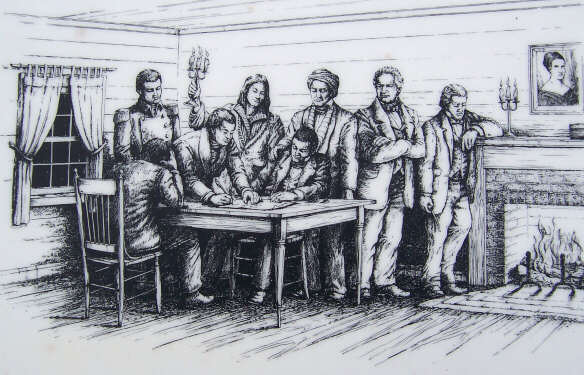
A census this year shows 93 percent of the Cherokee are farmers who till their land. The number of slaves in the Cherokee Nation has increased to 1,592. More than seven percent (7.4%) of Cherokee families own slaves, a greater percentage than across the South, where about 5% of families own slaves. Prominent Cherokee slave owners include the families of Joseph Lynch, Joseph Vann, Major Ridge, Stand Watie, Elias Boudinot, and Principal Chief John Ross. In October, at a full council (at Red Clay), a proposed treaty with the United States providing for the removal of the Cherokee to the Indian Territory is overwhelmingly rejected. General John Wool (of the United States) and his detachment of troops are camped about a quarter mile east of there to observe the meetings of the Cherokees in Council. November 7th, (Principal Chief) John Ross and John Howard Payne are illegally detained by the Georgia Guard at Red Clay (in Tennessee today). The Treaty of New Echota (for removal) is negotiated and signed on December 29th in Elias Boudinot’s home (at New Echota - today in Georgia) by 20 (some sources say 30) Cherokee without tribal authorization (thereafter referred to as the Treaty Party), among whom are Major Ridge and John Ridge. It gives up title to all Cherokee lands in the southeast in exchange for land in Indian Territory (Oklahoma today) and $5,000,000 (plus $300,000 for improvements on their new territory). Most Cherokees will consider the treaty fraudulent since it was never approved by the Cherokee Council. |
||||||||||||
|
|||||||||||||
| 1835 - 44 |
Acting as an attorney and advisor, William H. Thomas works on behalf of the Qualla Town (Oconaluftee) Cherokee, to have their "citizenship" status recognized. |
||||||||||||
| 1836 |
On May 23rd (some sources say May 17th) the U.S. Senate ratifies the fraudulent New Echota treaty by one vote. The Cherokees are given two years from this date to remove themselves to the Indian Territory. Federal enrolling agents and appraisers begin their work. |
||||||||||||
|
|||||||||||||
| 1837 |
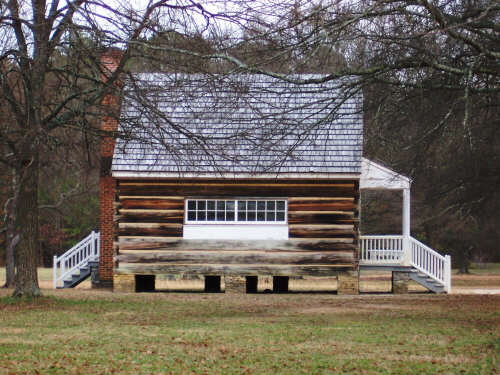
In October the Cherokee Council meets again at Red Clay. Questions of the future loom large. More than 6,000 (some sources 4,000) Cherokee buildings now stand in the (claimed) Georgia section of the Cherokee Nation alone. With a typical Cherokee family now living on a farmstead, most farms include a dwelling house and a variety of outbuildings. Cherokees are excellent craftsmen and have used log construction for almost every building. The average Cherokee family (of 6) lives in a small log cabin (16'x18') and cultivates about 11 acres of land. However, some Cherokees own stores, taverns, and even large plantations. |
||||||||||||
|
|||||||||||||
| 1838 |
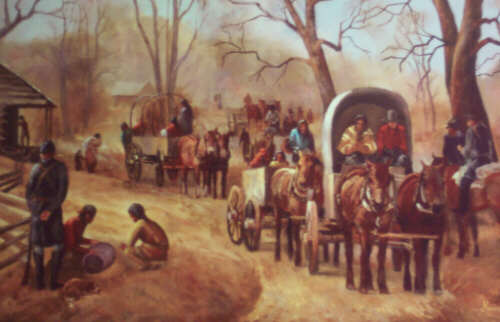
Just weeks before the May deadline, a petition containing 15,665 signatures, almost the entire Cherokee Nation, reaches Chief Ross in Washington. He has arranged to have it presented in the United States Senate, but because of a duel between a Kentucky and a Maine congressman, Congress adjourns and never sees the petition, brushing it aside after returning. Only 2,000 of the nearly 18,000 Cherokees have departed their ancestral homelands. General Winfield Scott and 7,000 U.S. troops are dispatched with orders to "remove the Cherokee by any means necessary." Deadline for voluntary removal is May 23rd. The Georgia Guard begin the round-up five days early. The official round-up begins on May 26th and continues in Georgia, Tennessee, Alabama, and North Carolina, where the Cherokee -- men, women, and children – are forced from their comfortable homes and herded into "forts" (military stockades), gradually making their way north to the Cherokee Agency in southeastern Tennessee. Bad sanitary conditions, lack of privacy, non-existent washing and bathing facilities, foul drinking water, and unhealthy food, both demoralize the Cherokee and create serious health hazards. Sickness is widespread. The first detachment of Cherokees (2,700) leave for the west in June but, due to drought and summer diseases, many deaths occur, and removal is suspended until cooler weather. Most of the remaining 13,000 Cherokees spend the summer in the internment camps and finally leave by wagon, horseback, or on foot during October and November. June 19th the last group of Cherokees leave New Echota (former capital of the Cherokee Nation). On November 25th Tsali is executed (martyred) halting the hunt for fleeing Cherokees (about 1,000 avoided removal). |
||||||||||||
|
|||||||||||||
| 1838 - 39 |
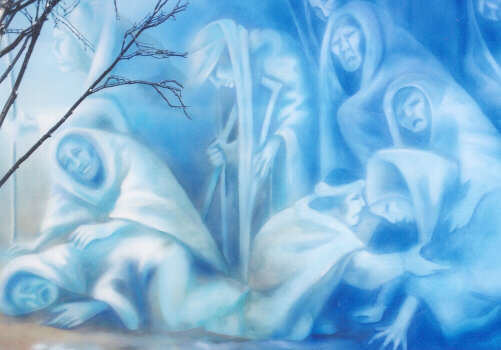
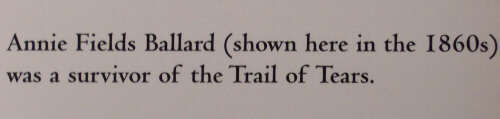
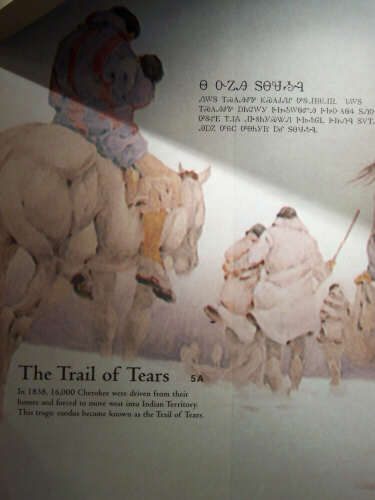
The "Trail of Tears" roundup, imprisonment, and forced 800 mile march to Oklahoma causes the death of as many as four thousand or more of the 15,000 to 17,000 Cherokees removed. Slaves march with Cherokee slave owners and other citizens on this "Trail of Tears." |
||||||||||||
|
|||||||||||||
| 1839 |
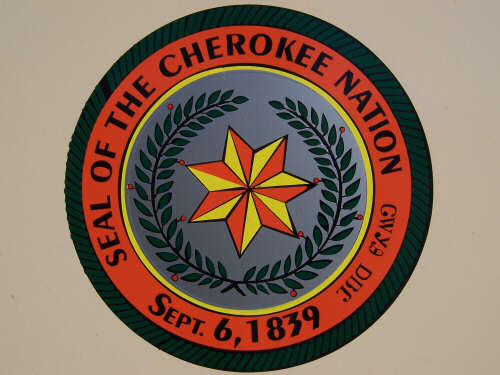
In the east, a dying Yonaguska is carried before his people, and in a dramatic whisper, he warns them never to forsake their mountains. In the west, Treaty Party leaders, Major Ridge, John Ridge, and Elias Boudinot are executed (assassinated) for violating the Cherokee Constitution by signing the Treaty of New Echota. A new constitution is ratified at a convention in Tahlequah (today Oklahoma) uniting Cherokees arriving from the east with those in the west. However, strong factionalism continues until at least 1846. (After the influx of the Eastern Cherokees from the Trail of Tears, the Easterners greatly outnumbered the Western full-bloods and tensions began to mount. The Eastern newcomers wanted their form of government to replace the government already put in place by the Western Cherokees, who of course, objected to such displacement of their own powers. The Treaty of New Echota, not recognized as legitimate by the majority of Eastern Cherokees, also had provisions about this, creating at least three distinct perspectives.) |
||||||||||||
| 1842 |
A number of African slaves in Indian Territory, including 25 held by Cherokee planter Joseph Vann, leave their respective plantations near Webbers Falls, Oklahoma to escape to Mexico. The slaves are captured by a Cherokee militia under the command of Captain John Drew of the Cherokee Lighthorse. December 2, the Cherokee National Council passes "An Act in regard to Free Negroes" banning all free blacks from the limits of the Cherokee Nation by January 1843, except those freed by Cherokee slave owners. |
||||||||||||
| 1843 - 61 |
William H. Thomas purchases land for the Cherokees remaining in North Carolina and holds the deeds for them (Of 17,000 Cherokees, about 1000 had fled into the hills managing to escape removal – the execution of Tsali [mentioned above] stopped the search for them). |
||||||||||||
| 1843 |
August, Sequoyah (also known as George Guess) dies in the town of San Fernando. |
||||||||||||
| 1844 |
Cherokee (west) Supreme Court building, the first public building in Indian Territory (Oklahoma today), opens. The Cherokee Advocate becomes the first newspaper in Indian Territory. |
||||||||||||
|
|||||||||||||
| 1845 |
June 26, The Cherokee Advocate gives a report of Sequoyah's last travels as provided by a Cherokee called "The Worm" who had traveled with him. |
||||||||||||
| 1846 |
An estimated number of 130-150 African slaves escape from several plantations in Cherokee territory. Most of the slaves are captured in Seminole territory by a joint group of Cherokee, Creek, and Seminole slave owners. |
||||||||||||
| 1851 |
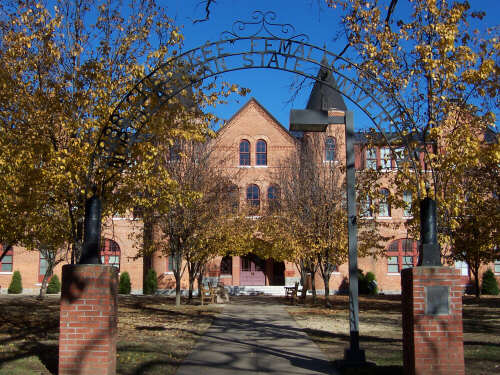
Cherokee male and female seminaries open. Female seminary is the first institute of higher learning (secondary school) for girls west of the Mississippi. |
||||||||||||
| 1857 |
June 23, the United States abandons Fort Gibson as a military outpost. The buildings are transferred to the Cherokee Nation. All federal troops are withdrawn from the territory. |
||||||||||||
| 1859 |
Original Keetoowah Society organizes to maintain traditions, fight slavery. and assert the rights of all the Cherokee people or the Cherokee Nation under the laws and treaties with the government of the United States, whether religious, property, or political. Pro-Union members will form the Loyal League and become known as "Pin Indians." |
||||||||||||
| 1860 |
Tension mounts between Union Cherokees and Confederate Cherokees as the Cherokee Nation strives to remain neutral when the Civil War begins. |
||||||||||||
| 1861 |
May 17, Chief Ross issues a neutrality proclamation reminding the tribe of its obligations to the United States. Later, against his desires, Ross is forced to side with the Confederacy as a foreign ally after Union troops abandon the Indian Territory. October 7, the Cherokee officially join the other Five Civilized Tribes in a Pro-Confederate alliance when Chief Ross signs a treaty at Park Hill with General Albert Pike of the Confederacy. October 28, the Cherokee National Council issues a declaration of war against the United States. The Cherokee nation is torn by border warfare, plus a war within a war, throughout the "unpleasantness between the states." There are 4,000 black slaves living among the Cherokees. |
||||||||||||
| 1862 |
July 15, John Ross is captured by Union forces. After his parole, he sides with the Union and repudiates the Confederate treaty. He remains in Union territory for his safety until the end of the war. Cherokee loyal to Ross will pledge support to the Union and acknowledged Ross as Principal Chief of the Cherokee Nation, while pro-Confederate Cherokee side with the Southern Cherokee faction. August 21, Stand Watie, a longtime rival of Ross and a leader of the majority Pro-Confederate Cherokee, becomes Principal Chief of the Southern Cherokee. (A wealthy planter and slaveholder, Watie serves as an officer in the Confederate Army and will be the last Brigadier General to surrender to the Union.) |
||||||||||||
| 1863 |
February 18, The Cherokee National Council, consisting of Pro-Union Cherokee and headed by acting Principal Chief Thomas Pegg, abolish the practice of slavery by passing "An Act Providing for the Abolition of Slavery in the Cherokee Nation." February 20, "An Act Emancipating the Slaves in the Cherokee Nation" is passed stating that all Negro and other slaves within the lands of the Cherokee Nation are emancipated from slavery, and any person or persons who may have been held in slavery hereby declared to be forever free. June 25, the acts abolishing slavery become effective. Any Cherokee citizen who holds slaves is to be fined no less than one thousand dollars or more than five thousand dollars. Officials who fail to enforce the act are to be removed and deemed ineligible to hold any office in the Cherokee Nation. (Few slaves are actually freed since Cherokee loyal to the Confederacy hold more slaves than pro-Union Cherokee.) On October 28, Cherokee Nation tribal buildings located on Capitol Square in Tahlequah, and October 29, John Ross' home at Park Hill, are burned by Confederate Cherokees led by General Stand Watie. |
||||||||||||
| 1864 |
May 10, the Confederacy promotes Stand Watie to the rank of Brigadier General. Cherokee Freedmen become citizens of the Cherokee Nation. (Freedmen is one of the terms given to emancipated slaves and their descendants after slavery is abolished in the United States following the American Civil War. In this context, "Cherokee Freedmen" refers to the African-American men and women who were formerly slaves of the Cherokee before and after removal to Indian Territory. It includes descendants of former slaves, as well as those born in unions between formerly enslaved or enslaved African Americans and tribal members.) |
||||||||||||
| 1865 |
May 31, Union Cherokee troops are mustered out of military service. June 23, Brigadier General Stand Watie surrenders and signs articles of peace at Doaksville. He is the last Confederate General to lay down arms. The Cherokees must negotiate peace with the U.S. government. Factions of Cherokee who supported the Union and those who supported the Confederacy continue to be at odds. In September, each side is represented (along with delegations from the other Five Civilized Tribes) before the Southern Treaty Commission headed by the US Commissioner of Indian Affairs Dennis N. Cooley at Fort Smith, Arkansas. Stand Watie and Elias Cornelius Boudinot of the Southern Cherokee delegation hope to achieve separate status for a Southern Cherokee Nation and want the US government to pay for the relocation of Freedmen out of the Cherokee Nation. The Pro-Union Cherokee delegation led by John Ross wants to adopt Freedmen into the tribe as members and allocate land for their use. US officials ignore the factional divisions, address the Cherokee as one entity, and insist on further conditions for an agreement. |
||||||||||||
| 1866 |
July 19, six delegates representing the Cherokee Nation sign a reconstruction treaty with the United States in Washington DC. The new treaty limits tribal land rights, eliminates the possibility of a Cherokee State and is basically a prelude to the Dawes Commission, Curtis Act, and break up of Cherokee tribal lands by allotment. It grants Cherokee citizenship to the Freedmen and their descendants (article 9) and sets aside a large tract of land for Freedmen to settle with 160 acres for each person (article 4). It also grants them (Freedmen) voting rights and self-determination within the constraints of the greater Cherokee Nation (article 5 and article 10). Issues such as the status of Cherokee Freedmen, which expands to include “free colored persons” who are not citizens of the Cherokee but reside amongst them (article 9), and the voiding of the Confederate treaty were previously agreed upon. Both sides compromise on issues such as amnesty for Cherokee that fought for the Confederacy. The Pro-Union faction is the sole Cherokee group that the US government settles treaty terms with. In the east, North Carolina finally acknowledges the Cherokees’ right of residency. August 1, John Ross dies. November 26, the Cherokee Nation Constitution is amended in a special convention. The amendments remove all language excluding people of African descent and reiterate the US treaty's language concerning the Freedmen. The constitution also reiterates a six-month deadline in the treaty for Freedmen to return to the Cherokee Nation in order to be counted as citizens. |
||||||||||||
|
|||||||||||||
| 1867 |
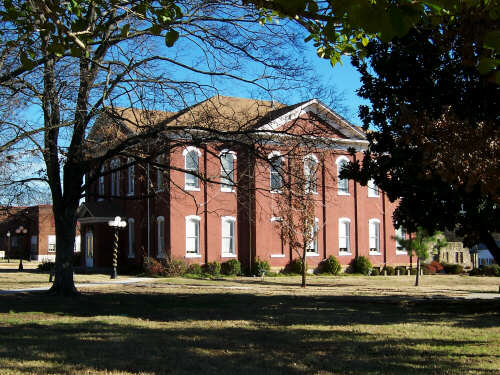
Cherokee National Capitol is built in Tahlequah (today in Oklahoma). |
||||||||||||
| Late 1800s |
After the Civil War, education in the Cherokee Nation was made compulsory through the eighth grade. This ensured that most Cherokees had at least an eighth grade education in the late 1800s. As a result, they were a more literate and educated population than their American counterparts. |
||||||||||||
| 1868 |
The U.S. federal government recognizes the Eastern Band as a distinct tribe under its guardianship and helps them establish a reservation from lands purchased by Thomas and from land obtained under the treaties of 1817 and 1819. |
||||||||||||
| 1870 |
The Eastern Band of Cherokee Indians obtain a corporate charter from the state of North Carolina. (The EBCI will decide to re-organize their government and adopted a Constitution written by Lloyd Welch, and continues to operate under the duality of a Constitution and corporate charter.) |
||||||||||||
| 1875 |
In the west, Joseph Brown is elected as the first Cherokee Freedman councilman. (He will be followed by Frank Vann in 1887, and Jerry Alberty in 1889. Joseph "Stick" Ross will be elected to the council in 1893. Born into slavery and owned by Principal Chief John Ross before his family's emancipation, Stick Ross will become a significant civic leader. Several companies and landmarks will be named after him, including Stick Ross Mountain in Tahlequah, Oklahoma). |
||||||||||||
| 1876 |
Qualla Boundary (in east) formed and Cherokee lands secured. |
||||||||||||
| 1879 |
The youngest of eight children, William Penn Adair Rogers is born on November 4th at Rogers Ranch in Oologah, Indian Territory (what is now Oklahoma). Arguably the best known Cherokee of modern times, he would come to be known simply as Will Rogers. |
||||||||||||
| 1880 |
The Cherokee compile a census to distribute per capita funds related to recent land sales. The census does not include those Freedmen who had never left, claiming that the 1866 treaty with the US granted civil and political rights to Cherokee Freedmen, but not the right to share in tribal assets. Principal Chief Dennis Wolf Bushyhead opposes the exclusion of Cherokee Freedmen from distribution of assets, but is overridden by the Cherokee National Council. The Cherokee senate votes to deny citizenship to Freedmen who failed to comply with the 1866 treaty by returning to the Cherokee Nation within six months. |
||||||||||||
| 1887 |
Massachusetts Senator Henry Dawes (for whom the rolls are named) creates the Allotment Act for the regulation of Indian affairs, their legal, economic and social integration into the United States. It is a measure to promote assimilation of Native Americans by requiring the extinguishing of tribal government and the allotment of lands once held in common by Indian tribes to individual households of citizens registered as tribal members. The US government will declare remaining lands "surplus" to communal Indian needs and allow it to be acquired and developed by European Americans. Initially, the Cherokee Nation successfully lobbies to be exempt from the act. (This Act remains the keystone of federal Indian policy until 1943. The United States government will empower the Dawes Commission to set-up rolls so that each member will receive a share of tribal resources in accordance with the tribe and government. Individuals believed to be of African descent are categorized as Freedmen, thus creating separate Indian by Blood, Intermarried Whites, and Freedmen categories. Many Indians are of more than one tribal ancestry, but will have to choose only one. Although Cherokee Freedmen in many cases can list Cherokee ancestry, an Indian father, grandfather, or even living Cherokee parents on applications for enrollment, in no instances is degree of Indian blood recorded on the final rolls. Those with admixtures of white and Indian ancestry are enrolled by the Dawes Commission as “Indians,” with no reference to Indian blood degree. Prior to the turn of the century no such concept as blood degree existed in the Cherokee Nation, only tribal citizenship or non-citizenship). Female Seminary in Park Hill is destroyed by fire on Easter Sunday. |
||||||||||||
| 1888 |
October 19, the US Congress, having become involved on behalf of the Freedmen (see 1880), passes an act to secure to the Cherokee Freedmen and others their proportion of certain proceeds of lands. Special Agent John W. Wallace is commissioned to create a roll (will be known as the Wallace Roll) to aid in the per-capita distribution of federal money. The Wallace Roll will ultimately include 3,524 Freedmen. |
||||||||||||
| 1889 |
In the east, rights of Cherokees are established by the North Carolina Legislature. A charter is granted and The Eastern Band of Cherokees formed. In the west, unassigned lands in Indian Territory are opened to white settlers known as "boomers." Thousands of non-Indian intruders move into the Cherokee Nation. The Cherokee Nation’s attempts to have the intruders removed by the U.S. government, as required by treaty, are ignored. |
||||||||||||
| 1890 |
Oklahoma Territory is organized out of the western half of Indian Territory. October 1, The US Congress authorizes the U.S. Court of Claims to hear suits by the Freedmen against the Cherokee Nation for recovery of proceeds denied them. (The freedmen will win the claims court case that follows when the court rules that payments cannot be restricted to a "particular class of Cherokee citizens, such as those by blood." The case will be appealed to and upheld by the US Supreme Court. As the Cherokee Nation had already distributed the funds they had received for sale of the Cherokee Outlet, the US government as co-defendant will pay the award to the Cherokee Freedmen. It will commission the Kern-Clifton roll, which will not be completed until 1896, showing 5,600 freedmen eligible to receive a portion of the land sale funds in the following decade as settlement.) |
||||||||||||
| 1892 |
Cherokee Senator Ned Christie is assassinated by U.S. Marshals. New Female Seminary building opens north of Tahlequah. |
||||||||||||
|
|||||||||||||
| 1893 |
In a notorious land run, the Cherokee Outlet is opened for white settlement. Dawes Commission arrives and lobbies Cherokee citizens to accept individual ownership of tribal lands. Cherokee traditionalists, including the Nighthawk Keetoowah Societies, adamantly oppose the commission and allotment. |
||||||||||||
| 1898 |
An amendment to the Dawes Act, the Curtis Act is passed abolishing tribal courts and governments. It mandates allotment of lands and the liquidation of assets of the Cherokee Nation. Cherokee citizens, including the Freedmen, are to be counted as United States citizens. |
||||||||||||
| 1902 | The Dawes Rolls lists 41,798 citizens of the Cherokee Nation, and 4,924 persons separately as Freedmen. | ||||||||||||
| 1903 |
William C. Rogers becomes the last (recognized) elected chief (Cherokee Nation) for 68 or 69 years (subsequently, seven individuals are appointed chief by the U.S. – even for as little as one day). |
||||||||||||
| 1905 |
Land allotment begins after the official Dawes Commission roll is taken of Cherokee citizens. Many traditionalists were imprisoned and involuntarily assigned allotments. September 20, wanting to maintain a traditional base of tribal government, the Keetoowahs have attorney Frank J. Boudinot Sr. incorporate the Keetoowah Society under the laws of the United States and secure an official charter. Some sources: November 21, Boudinot is elected Principal Chief of the Cherokee Nation in accordance with the Cherokee laws in full force for the purpose at the time. He takes the oath of office in the Senate Chamber of the Cherokee National Council, but because of his active opposition to the Cherokee National authorities and to the Dawes Commission, he is never recognized as Principal Chief by the United States Government. |
||||||||||||
| 1906 |
The five civilized tribes organize a convention for an Indian state, called the state of Sequoyah. Although the state of Sequoyah constitution was approved by popular vote, the United States Congress refused to consider it. The Dawes Commission breaks up tribal land into allotments and the Dawes Rolls are finalized. |
||||||||||||
| 1907 |
With tribal government's officially dissolved, Oklahoma becomes the 46th state, combining Indian and Oklahoma Territories. The U.S. attempts to dissolve the Cherokee Nation government, but it survives in a modified and restricted form. |
||||||||||||
| 1907-33 |
Although there is no official Cherokee Nation government, the chartered Keetoowah Society, continues to hold meetings, elect chiefs and maintain community associations. During this period, there are at least six different traditional groups and societies of Keetoowahs. |
||||||||||||
| 1909 |
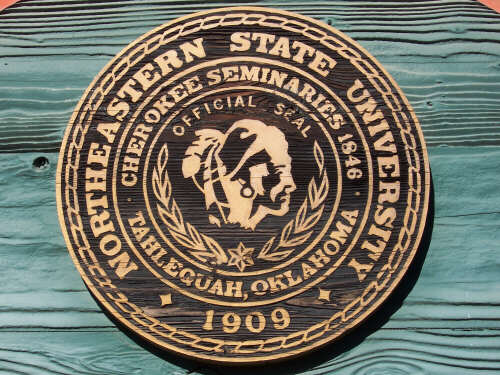
Northeastern State Normal opens in Cherokee Female Seminary building. This building and many other tribal schools and government buildings were lost at Oklahoma statehood. |
||||||||||||
| 1917 |
William C. Rogers dies. |
||||||||||||
| 1924 |
By petition of the tribal council, the United States Federal Government takes the lands of the (Eastern) Cherokees into trust. |
||||||||||||
| 1934 |
Indian Reorganization Act establishes a land base for tribes and legal structure for self government (on a corporate model). |
||||||||||||
| 1935 |
Although he had already flown all over the world, visiting London, Manchuria, Java, Egypt, South America, Japan, Moscow and destinations across America, on a vacation August 15, Will Rogers' and aviator Wiley Post's flight crashes near Point Barrow, Alaska, taking both of their lives. Will's untimely death shocks and saddens the nation. "Will Rogers was first an Indian, a cowboy, then a national figure. He now is a legend." |
||||||||||||
| 1936 |
Oklahoma Indian Welfare Act passes. Also known as the Thomas-Rogers Act, it is a United States federal law that extends the 1934 Wheeler-Howard or Indian Reorganization Act to include those tribes within the boundaries of the state of Oklahoma. The purpose of these acts is to rebuild Indian tribal societies, return land to the tribes, rejuvenate Indian governments, and emphasize Native culture. The Acts are the brain child of John Collier, commissioner of Indian affairs (from 1933 to 1945), who wants to change federal Indian policy from the "twin evils" of allotment and assimilation. It includes among its provisions that any recognized tribe residing within Oklahoma may receive a charter of incorporation from the Secretary of Interior and have the right to self-determination, including the right to make their own bylaws. |
||||||||||||
| 1938 |
February 11, Thomas Buffington, Principal Chief of the Cherokee Nation from 1899 to 1903, dies at his home in Vinita. He was known for many years as the “last Cherokee Chief” because his successor, W.C. Rogers, never had the power and authority usually exercised by tribal chiefs. |
||||||||||||
| 1940s |
More than 100 descendants of freedmen from the Wallace Roll, Kern-Clifton Roll, and the Dawes Rolls form the Cherokee Freedmen's Association. |
||||||||||||
| 1941 |
J.B. Milam is appointed principal chief by President Franklin D. Roosevelt. In 1938, Milam had been elected chief by the Cherokee people. |
||||||||||||
| 1946 |
The passing of the Indian Claims Commission Act sparks interest in the status of the 1,659 Freedmen included in the Kern-Clifton Roll but not the Dawes roll and stirs activity among people claiming descent from the Kern-Clifton Freedmen. August 10, the (United States) Congress officially recognizes the United Keetoowah Band of Cherokee Indians in Oklahoma. (There are three federally recognized Cherokee tribes. The Cherokee Nation, headquartered in Tahlequah, OK, is the largest of the three. Also headquartered in Tahlequah is the United Keetoowah Band of Cherokee Indians, the smallest of the three. The third is the Eastern Band of Cherokee Indians, headquartered in Cherokee, North Carolina.) |
||||||||||||
| 1948 |
Chief Milam calls a Cherokee Convention; beginning of model tribal government of the Cherokee Nation. He helped revitalize the Cherokee government. In the east, the Museum of the Cherokee Indian opens. Also, the Cherokee Historical Association is conceived and launched. |
||||||||||||
| 1949 |
W.W. "Bill" Keeler is appointed chief by President Harry Truman. |
||||||||||||
| early 1950s |
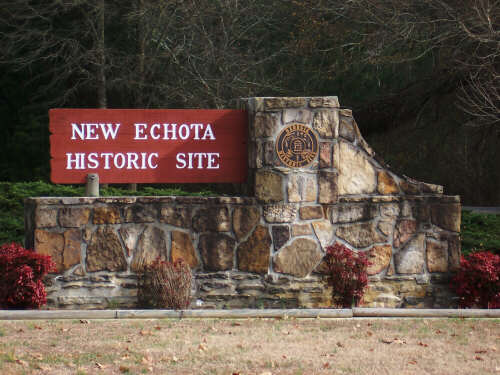
Realizing the historic value of New Echota, a group of Calhoun citizens purchases almost 200 acres of the old town. But, the only building not previously destroyed is the Worchester House. |
||||||||||||
| 1950 |
July 1, the outdoor drama "Unto These Hills" opens in Cherokee, North Carolina. October 3, in the west the Keetoowah people ratify their Constitution/By-Laws and their Federal Corporate Charter. The Keetoowah's ownership of all unalloted lands is expressly recognized in the Charter. |
||||||||||||
| 1951 |
The Cherokee Freedmen's Association files a petition with the Indian Claims Commission over their exclusion from citizenship. (The petition will be denied in 1961 with the commission stating that their claims to tribal citizenship were individual in nature and outside the US government’s jurisdiction. Appeals will stretch to 1971, but all will be denied with only few legal victories to show for the twenty-year effort.) |
||||||||||||
|
|||||||||||||
| 1952 |
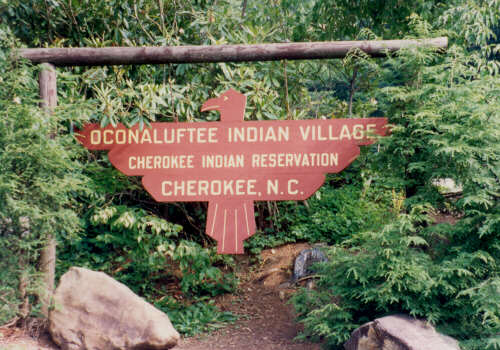
Oconaluftee Indian Village opens in Cherokee, North Carolina. |
||||||||||||
| 1953 |
First Cherokee National Holiday is held to commemorate 1839 Cherokee constitution. |
||||||||||||
| 1954 |
Archaeology excavations begin at New Echota showing actual locations of old buildings and roads. |
||||||||||||
| 1956 |
The local community donates the New Echota site to the State of Georgia. |
||||||||||||
| 1960 |
November 14, Gladys Lannagan, a member of the Cherokee Freedmen's Association, in testimony before the Indian Claims Commission, states she was born in 1896 and her father died August 5, 1897 before he got her name on the roll. She points out she has two brothers on the roll — one on the roll by blood and the other as a Cherokee Freedman child. One of her grandparents was Cherokee and the other black. Her case cites by example the many inconsistencies in the information collected in the Dawes Rolls. |
||||||||||||
| 1961 |
Cherokee citizens are awarded 15 million dollars by the U.S. Claims Commission for the forced sale of the Cherokee Outlet lands. |
||||||||||||
|
|||||||||||||
| 1962 |
May 12th, the restored New Echota is dedicated and opened to the public with many Cherokees visiting their former capital for the ceremony. As a healing gesture, the Georgia Legislature repeals the laws (still on the books) which had denied the Cherokees the right to freedom on their ancestral land. |
||||||||||||
| 1963 |
Cherokee National Historical Society founded (in west). |
||||||||||||
|
|||||||||||||
| 1967 |
Cherokee Foundation (in west) formed to purchase land on which tribal complex now sits. Cherokee National Historical Society opens Ancient Village. |
||||||||||||
| 1969 |
Cherokee National Historical Society (CNHS) opens Trail of Tears drama. In the east, a museum is added at New Echota. |
||||||||||||
| 1970s |
The Bureau of Indian Affairs begins to provide several federal services and benefits, such as free health care, to members of federally recognized tribes. Numerous descendants of Cherokee listed as "Cherokee by Blood" on the Dawes Commission Rolls enroll as new members of the Cherokee Nation. As members of the Cherokee Nation, certain federal benefits and services are also provided to the Cherokee Freedmen. |
||||||||||||
| 1970 |
U.S. Supreme Court ruling confirms Cherokee, Choctaw, and Chickasaw Nation’s ownership of bed and banks of a 96 mile segment of the Arkansas Riverbed. October 22, the Cherokee people (as one of the former Five Civilized Tribes) have the right to vote for their tribal leaders restored by the United States Congress via the Principal Chiefs Act. |
||||||||||||
| 1971 |
W.W. Keeler becomes first elected principal chief of the Cherokee Nation since Oklahoma statehood. The Department of the Interior states that one of the fundamental conditions for election procedures is that the voter qualifications of the Cherokee, Choctaw, Creek, and Seminole must be broad enough to include the enrolled Freedmen citizens of their respective nations. |
||||||||||||
| 1975 |
Ross O. Swimmer is elected to the first of three terms as principal chief (in west). The first Cherokee Tribal Council is elected since Oklahoma statehood. U.S. Congress passes Indian Self-Determination and Education Assistance Act. A new Cherokee Nation constitution is drafted and defines citizens as those proven by reference to the final Dawes Commission Rolls, including the adopted Delaware and Shawnee. CNHS opens its museum (Cherokee National Museum). |
||||||||||||
|
|||||||||||||
| 1976 |
June, Cherokee voters (in west) ratify a new Cherokee Constitution outlining tribal government. It is approved by the Commissioner of Indian Affairs on September 5. (In east) Museum of the Cherokee Indian moves to a new (its present) location. |
||||||||||||
|
|||||||||||||
| 1979 |
Tribal offices are moved into a modern new complex south of Tahlequah. However, the Cherokee Nation regains ownership of the original Cherokee Capitol building, Supreme Court and advocate building, as well as the national prison. |
||||||||||||
| early 1980s |
The Cherokee Nation administration amends citizenship rules to require direct descent from an ancestor listed as "Cherokee by Blood" on the Dawes Rolls. The change strips descendants of the Cherokee Freedmen of citizenship and voting rights unless they satisfy this new criterion. About 25,000 Freedmen are excluded from the tribe. |
||||||||||||
| 1983 |
Ross O. Swimmer, Principal Chief of the Cherokee Nation, issues an executive order stating that all Cherokee Nation citizens must have a "Certificate of Degree of Indian Blood" (CDIB) card in order to vote instead of the previous Cherokee Nation voter cards that were used since 1971. The CDIB cards are issued by the Bureau of Indian Affairs based on those listed on the Dawes Commission Rolls as Indians by blood. Since the Dawes Commission never recorded Indian blood quantum on the Cherokee Freedmen Roll or the Freedmen Minors Roll, the Freedmen cannot obtain CDIB cards. Swimmer's executive order is seen by some observers as a way Swimmer could exclude people from voting who were supporting a rival candidate, Perry Wheeler, for Principal Chief. July 7, Cherokee Freedmen descendants are turned away from the polls and told that they do not have the right to vote. Reverend Roger H. Nero, a Freedman who voted in the 1979 Cherokee election, and four other Cherokee Freedmen who are turned away from the Cherokee polls as a result of the newly instituted Cherokee voting policy send a complaint to the (United States) Civil Rights Division of the Department of Justice, claiming discrimination on the basis of race. Wilma P. Mankiller is the first woman elected deputy principal chief. |
||||||||||||
| 1984 |
The first joint council meeting in 146 years between the Eastern Band of Cherokees, and the Cherokee Nation, is held at Red Clay, TN. (Council meetings are now held bi-annually.) June 18, Nero and 16 Freedmen descendants file a class action suit against the Cherokee Nation. (The court will rule against the plaintiff Freedmen because of jurisdictional issues, with the same ruling made by the Court of Appeals on December 12, 1989. The courts hold that the case should have been filed in claims court instead of district court due to the amount asked in the lawsuit. No judgment is made as to the merits of the case itself.) |
||||||||||||
| 1985 |
Deputy Chief Mankiller fills remainder of Swimmer’s term as principal chief. Tribal council member John A. Ketcher becomes deputy chief. |
||||||||||||
| 1987 |
Wilma Mankiller makes history and draws international attention to the Cherokee Nation as the first woman elected chief. Cherokee voters pass a constitutional amendment to elect the council by districts in 1991. |
||||||||||||
| 1988 |
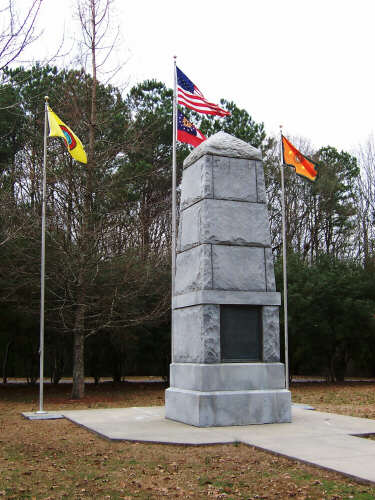
The Cherokee Nation joins the Eastern Band of Cherokees in Cherokee, North Carolina, to commemorate the beginning of the Trail of Tears. A Cherokee Memorial Monument, originally built in 1931, is relocated to New Echota, Georgia and rededicated to "keep the memory of the Cherokee’s triumphs and struggles alive in hopes that such injustices will never be repeated." Under Chief Mankiller, the tribal council approves the registration policy of requiring all tribal members to have a CDIB card to keep tribal membership. |
||||||||||||
| 1989 |
The Cherokee Nation observes the 150th anniversary of the arrival in Indian Territory. "A New Beginning" |
||||||||||||
| 1990 |
Chief Mankiller signs historic self-governance agreement. The Cherokee Nation is one of six tribes to participate in the self-determination project (which ran for three years beginning October 1, 1990). It authorizes the tribe to assume tribal responsibility for BIA funds formerly being spent on the tribes’s behalf at the agency area and central office levels. November, the Cherokee Nation passes legislation establishing a Cherokee Nation District Court and a criminal penal and procedure code. |
||||||||||||
| 1991 |
The July tribal election is the first council to be elected by districts since statehood. Wilma Mankiller wins a second term as principal chief with a landslide 82% of the votes cast. |
||||||||||||
| 1992 |
Chief Mankiller signs tribal-state tobacco compact. A law enforcement agreement is signed which provides for cross-deputization between the Cherokee Nation Marshal Service and federal, state, and local governments. August 24, Bureau of Indian Affairs' Acting Assistant Secretary of the Interior Ron Eden sends a letter to the Keetoowahs confirming the Band's autonomy, separate recognition and independent eligibility for services and trust land acquisition. |
||||||||||||
| 1993 |
Cherokee Nation signs self-government compact with U.S. government. |
||||||||||||
| 1994 |
Chief Mankiller and Deputy Chief Ketcher announce they will not seek re-election. |
||||||||||||
| 1995 |
Joe Byrd and Garland Eagle are elected principal chief and deputy chief marking the first time in nearly 200 years that full blood bilingual leaders occupy the top positions of the Cherokee Nation. |
||||||||||||
| 1996 |
May 30, the Cherokee Nation signs a fuel tax agreement with Oklahoma. The agreement allows the tribe to receive quarterly fuel tax rebates from the state. |
||||||||||||
| 1997 |
The Cherokee Nation receives 1.1 million dollars from the motor fuels tax agreement. Kituwah Mound is repurchased by the Eastern Band of Cherokee Indians where many who consider themselves Kituwah make pilgrimages for prayer. |
||||||||||||
| 1999 |
Cherokee Nation reclaims jurisdiction over Cherokee Nation Capitol Building, establishes free press act, and publishes modern day Cherokee Phoenix and Indian Advocate. It has a constitutional convention that re-designs and modernizes tribal government and deletes the Bureau of Indian Affair’s (BIA) veto power. The document is written by a broad cross-section of Cherokee citizens and is ratified by the Cherokee people. |
||||||||||||
| 2000 |
Principal Chief Chad Smith signs the Independent Press Act of 2000, which assures that the Cherokee Phoenix will be much more than a mere mouthpiece for tribal government. |
||||||||||||
| 2001 |
Cherokee Nation issues automobile tags. |
||||||||||||
|
|||||||||||||
| 2004 |
On September 26, Lucy Allen, a Freedmen descendant, files a lawsuit with the Cherokee Nation Supreme Court, asserting that the acts barring Freedmen descendants from tribal membership were unconstitutional. |
||||||||||||
| 2005 |
The UKB Department of Language, History, and Culture is established in an effort to perpetuate the history that binds the Keetoowah Cherokee People. (Just a reminder "Keetoowah" and "Kituwah" are used interchangeably by the United Keetoowah Band in their history and information documents. However, after the Trail of Tears, "Western Cherokees" usually refers to the Cherokee Nation, not Kituwah "Old Settlers"). |
||||||||||||
|
June 29th 2005, after several years of working to expand and refine the timeline he displays and offers visitors at Cherokee Bill's Teaching & Trade Center, william (Cherokee Bill) completes a version of it for the wsharing website which includes his photography. WADO - Thank you for visiting this page and taking the time to explore and learn a little about a piece of our history. See December 17, 2013 for an update. |
||||||||||||
| 2006 |
Rich-Heape Films, Inc. releases "The Trail of Tears - Cherokee Legacy," presented by Wes Studi, and narrated by James Earl Jones, endorsed by both the Cherokee Nation and the Eastern Band of Cherokee Indians. March 7, In the case of Allen v. Cherokee Nation Tribal Council, the Cherokee Nation Judicial Appeals Tribunal rules in Allen’s favor based on the facts that the Freedmen were listed as members on the Dawes Rolls and that the 1975 Cherokee Constitution did not exclude them from citizenship or have a blood requirement for membership. This ruling could potentially make as many as 45,000 people eligible to enroll as Cherokee citizens. (Chad "Corntassel" Smith, Principal Chief of the Cherokee Nation, will call for an emergency election to amend the constitution in response to the ruling). June 12, The Cherokee Nation Tribal Council votes in a 13–2 decision to amend the constitution to restrict Cherokee citizenship to descendants of Cherokee on the Dawes Rolls, but denies a resolution calling for a special election on the issue. (Supporters of having the special election anyway, will circulate a referendum petition.) December 19, (United States) Federal Judge Henry Kennedy rules that the Freedmen descendants can sue the Cherokee Nation for disfranchisement. (The Cherokee Nation's administration will appeal the decision on the grounds that as a sovereign nation, the tribe is protected by sovereign immunity and cannot be sued in US court; see July 29, 2008.) |
||||||||||||
| 2007 |
March 3, (After circulation of the petition and court challenges to its legality) A special election results in a constitutional amendment making “Indian blood” a requirement for citizenship. As a result, roughly 2,800 citizen descendants of Cherokee freedmen are now excluded from membership. The referendum restricts Cherokee Nation citizenship to direct descendants of individuals on the Delaware, Shawnee and Cherokee lists of the Dawes Rolls. Since, some of the Freedman do actually have Native blood, but cannot prove this because their family members are listed as Black on the Dawes Roll, this will lead to several legal proceedings in United States and Cherokee Nation courts in which Freedmen descendants continue to press for their treaty rights and recognition as Cherokee Nation members. March 14, Twenty-six members of the (United States) Congressional Black Caucus send a letter to Carl J. Artman, Assistant Secretary for Indian Affairs, urging the Bureau of Indian Affairs to investigate the legality of the Cherokee Nation's March 3rd election. May 15, Cherokee District Court Judge John Cripps signs an order for the Cherokee Freedmen descendants to be temporarily reinstated as citizens of the Cherokee Nation while appeals are pending in the Cherokee Nation court system. May 22, The Cherokee Nation receives notice from the BIA that the Cherokee Nation’s amendments to the 1975 Cherokee Nation Constitution are rejected because they require BIA approval, which had not been obtained. The BIA also states concerns that the Cherokee Nation had excluded some Cherokee Freedmen from voting for the constitutional amendments, since they had been improperly shorn of their rights of citizenship years earlier and were not allowed to participate in the constitutional referendum. They consider this a violation of the 1970 Principal Chiefs Act, which requires that all tribal members must vote. Chief Smith responds the 1975 Indian Self Determination Act overrides the 1970 Principal Chiefs Act and the Cherokee Nation has the sovereign right to determine its citizenship requirements. Smith states that the Cherokee Nation Supreme Court ruled that the Cherokee Nation could take away the approval authority it had granted the federal government and that the Nation will abide by the its (Cherokee Nation) court's decision. In June, in a message to members of the United Keetoowah Band of Cherokees (one of the three federally recognized Cherokee tribes), Principal Chief George Wickliffe expresses his concern about threats to sovereignty by all this. He states that the Cherokee Nation's refusal to abide by the Treaty of 1866 threatens the government-to-government relationships of other Native American nations, which have struggled to make the United States live up to its treaty obligations. June 23, Chad Smith is reelected to a four-year term as Principal Chief with 58.8% of the vote. Despite the prior Cherokee Supreme Court ruling, the issue of amending the process of federal approval is on the ballot for the general election. Cherokee voters approve the amendment to remove federal oversight by a 2–1 margin, but the the question remains whether the BIA still has to approve its own removal. |
||||||||||||
| 2008 |
July 29, The Washington D.C. Circuit Court of Appeals unanimously rules that the Cherokee Nation is protected by sovereign immunity and cannot be listed as a defendant in a lawsuit. But, it states that the Cherokee Nation's officials are not protected by the tribe's sovereign immunity, and Freedmen descendants can proceed with a lawsuit against the tribe's officers. The ruling also states the (US) 13th Amendment and the Treaty of 1866 whittled away the Cherokees right to discriminate against the Freedmen descendants. |
||||||||||||
| 2009 |
American Experience airs a five-part program on PBS-TV (and releases it on DVD) titled "We Shall Remain - America Through Native Eyes." Part three is a segment on the "Trail of Tears" chronicling the Cherokee removal story. |
||||||||||||
| 2010 |
According to the U.S. Census, the Cherokee Nation has more than 314,000 members, the largest of the 566 federally recognized Native American tribes in the United States. However, groups claiming Cherokee lineage that are not federally recognized make up some 819,000-plus people claiming Cherokee blood. |
||||||||||||
| 2011 |
January 14, The 2007 constitutional amendment is voided in the Cherokee Nation district court when Judge John Cripps rules in favor of the plaintiffs in the Raymond Nash et al v. Cherokee Nation Registrar case, reinstating Cherokee Nation citizenship and enrollment to the Freedmen descendants. June 24, the general elections include the race for Principal Chief between challenger Bill John Baker, a longtime Cherokee Nation councilman, and Chad Smith, the incumbent Principal Chief. Baker is declared the winner by 11 votes, but the Election Committee will determine that Smith won by 7 votes on the next day. In a recount, Baker will be declared the winner by 266 votes, but Smith will appeal to the Cherokee Supreme Court that will rule that a winner cannot be determined with mathematical certainty. A special election is scheduled for September 24, 2011. August 22, (Some sources say August 21) By a 4-1 ruling the Cherokee Nation Supreme Court overturns the Cherokee Nation district court ruling of January 14, 2011. This happens before the special run-off election for Principal Chief. The ruling will exclude the Cherokee Freedmen descendants from voting in the special election and many observers questioned the timing of the decision as the Cherokee Freedmen voters, who voted in the June general election, are now disenfranchised going into the special election. September 11, the Cherokee Nation sends letters to 2800 Freedmen descendants informing them of their disenrollment. In response, Freedmen descendants file a motion for preliminary injunction in federal district court asking to reinstate their rights for the election. In October, Bill John Baker is inaugurated as Principal Chief after winning in the special election. (After the freezing of $33 million in funds by the Department of Housing and Urban Development and a letter from the Assistant Secretary of the Bureau of Indian Affairs in response to the August 22, 2011 Cherokee Nation Supreme Court ruling, an agreement in federal court between the Cherokee Nation, the Freedmen descendants and the US government allowed the Freedmen to vote in the special election. The Cherokee Supreme Court dismissed an appeal of the election results by former chief Chad Smith). |
||||||||||||
| 2012 |
United Keetoowah Band of Cherokee Indians shows a total population of 14,300 persons. The Eastern Band of Cherokee Indians has roughly 12,500 members. Lawsuits and counter lawsuits continue in the Cherokee Freedmen issue in the Cherokee Nation and the United States court systems. However, with well over a quarter million citizens, the Cherokee Nation is the second-largest Indian tribe in the United States. |
||||||||||||
| 2013 |
September 21, on his 63rd birthday, william (Cherokee Bill) is sent an email from Walter J. Knapp which says, "I have read every word of your Cherokee Timeline and found it most informative and factual, yet I thought there was one glaring omission. You make no reference to Cherokee Freedmen or their struggle to gain recognition as Cherokee. I instruct Native American Culture at The University of North Georgia and have interviewed Freedmen who seem to have directly descended from tribal members. It seems to me this is a critical issue for the Tribe, yet you failed to mention it. In all other respects, your site is credible and worthy. Thank you for the work you have done." December 18, after much research of the Freedmen issue, william adds or updates roughly 60 entries on his Cherokee Timeline to include the issue. william's commentary |
||||||||||||
|
Primary sources: Museum of the Cherokee Indian, Cherokee, NC; Cherokee Nation Capitol Building, Tahlequah, OK; The Cherokees Past and Present © 1970 Cherokee Publications, Cherokee, NC; New Echota (Georgia State Parks) Historic Site; Red Clay Historic Site (Tennessee); Cherokee Heritage Center (Tahlequah, Oklahoma) photos taken there were with special permission; Cherokee History, www.powersource.com; Cherokee Nation-Cherokee Timeline, www.crystalinks.com; Cherokee Archaeology, Friends of North Carolina Archaeology, Inc.; Important Dates In Cherokee History (webpage composed by Amy on www2.sjvsj.org); Will Rogers Biography (online) by Joseph H. Carter; www.ukb-nsn.gov; visitcherokeenc.com; cnhistoryonline.org/index.php/curriculum/facts. |
|||||||||||||
|
|
|
|
|
|
|
|